
Heritage site · Beijing
Peking Man Site at Zhoukoudian
A hominid site of the Pleistocene on the North China Plain.
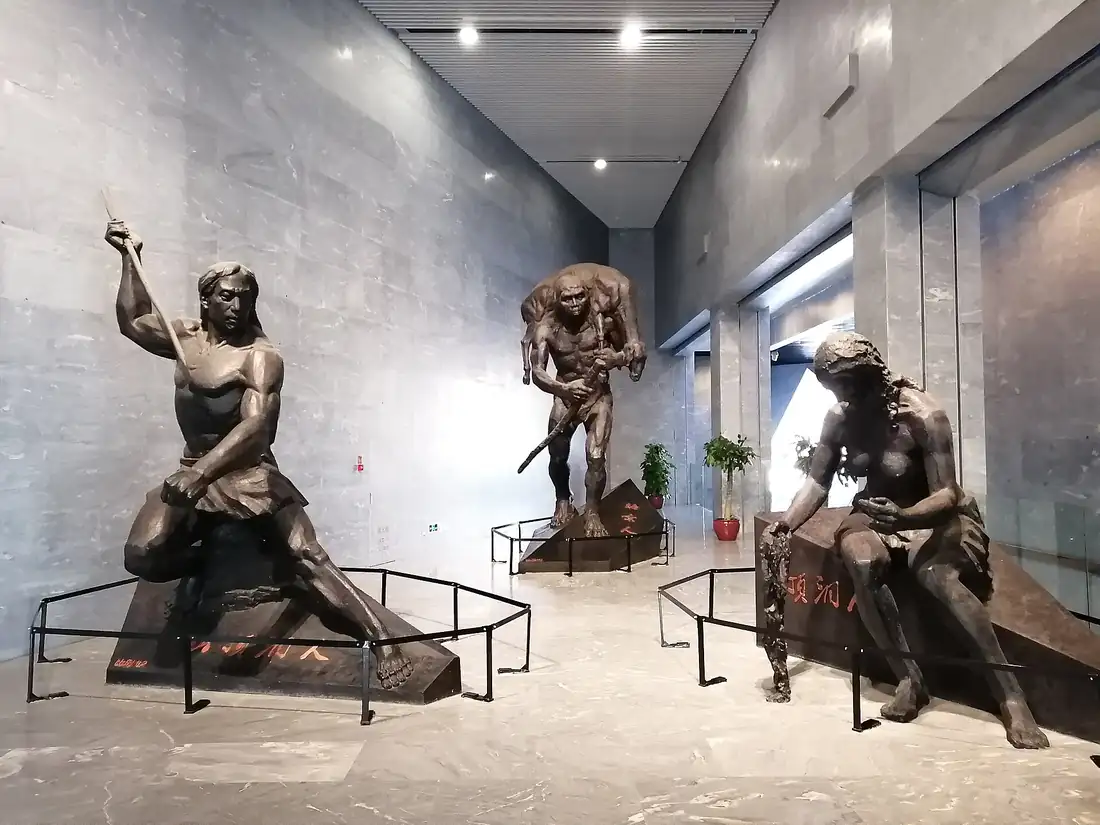
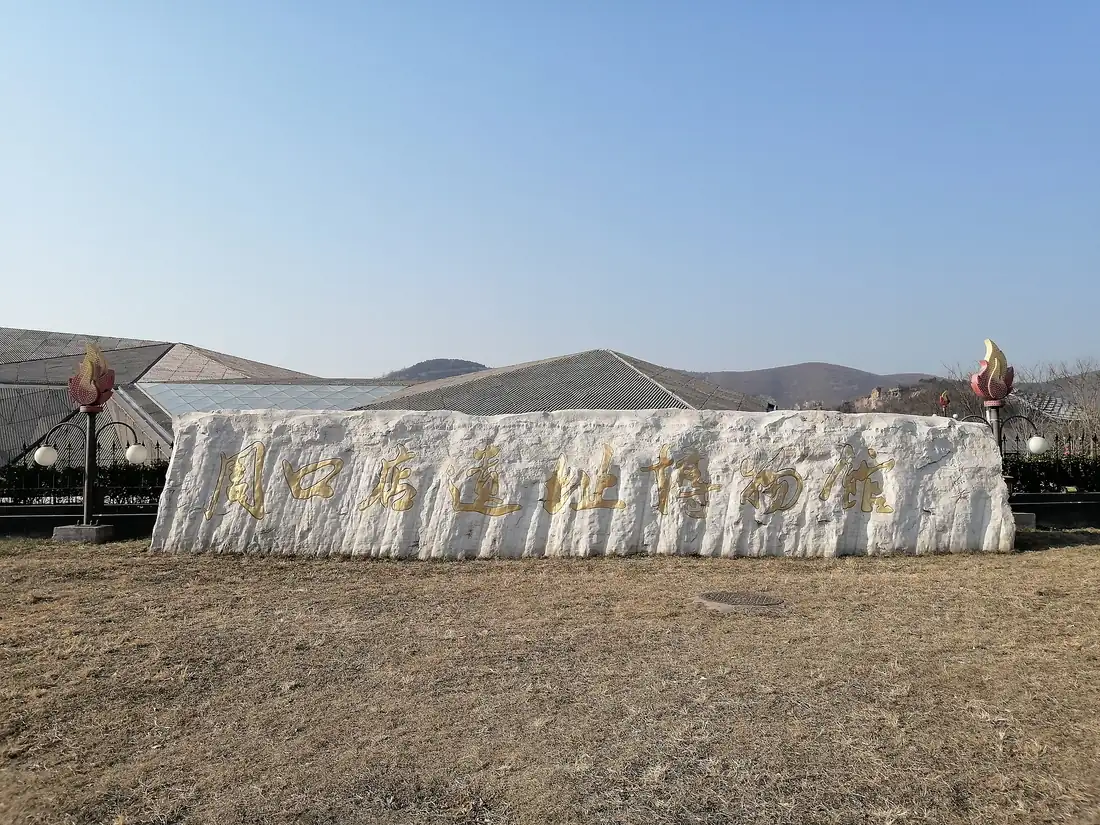
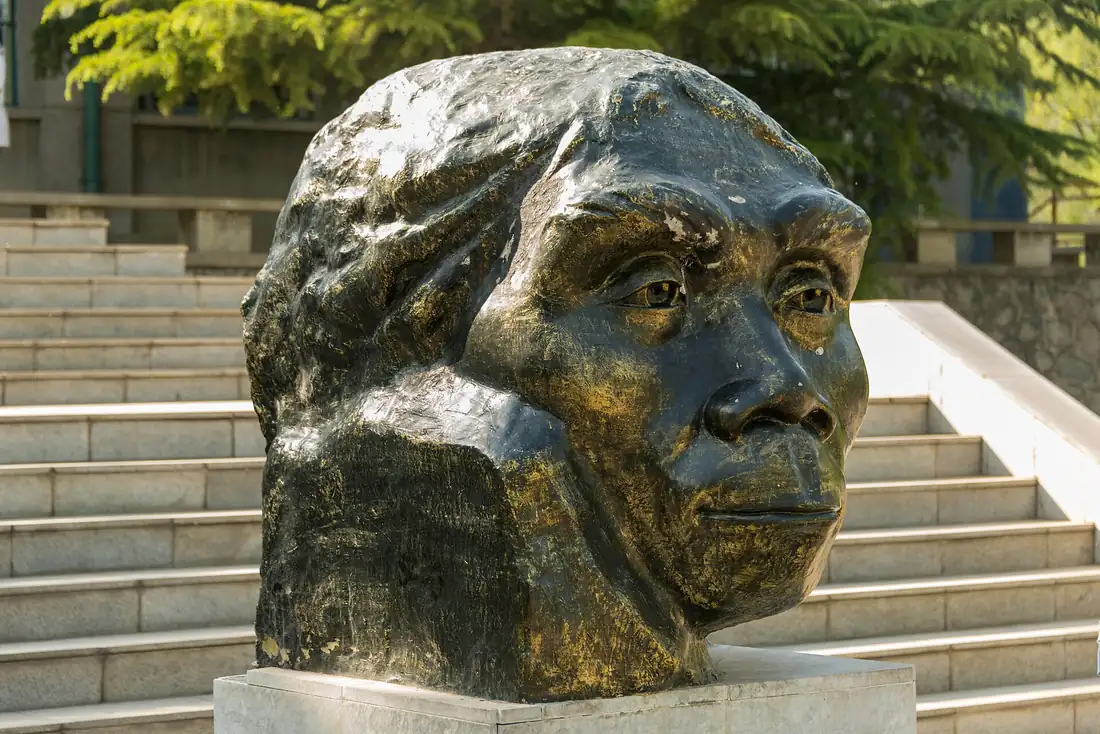
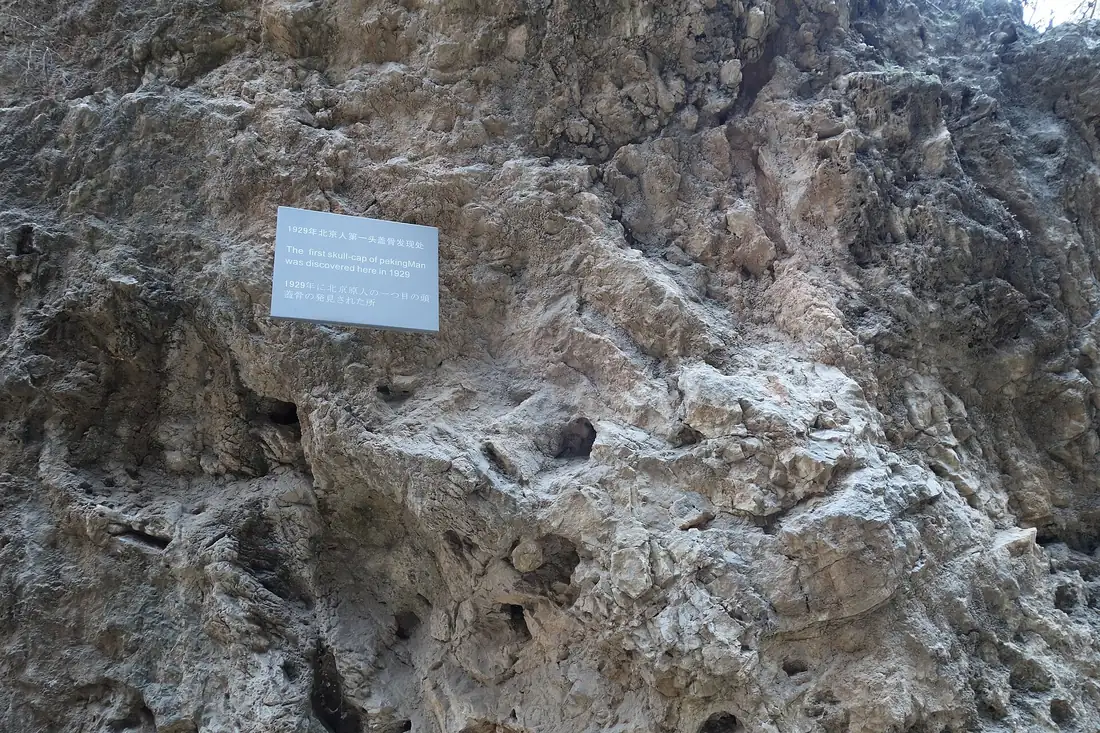
Photo credits
- “20220104 Peking and Shandingdong man statues in the Zhoukoudian Site Museum” by Yumeto, CC BY-SA 4.0. Source
- “20220104 Zhoukoudian Yizhi Bowuguan” by Yumeto, CC BY-SA 4.0. Source
- “66138-Peking-Man-Site (28097385664)” by xiquinhosilva, CC BY 2.0. Source
- “The site of the first discovered skull cap of Peking Man” by Siyuwj, CC BY-SA 3.0. Source
Resized and cropped for the web.
Overview
Peking Man Site at Zhoukoudian is a Pleistocene hominid site on the North China Plain. This site lies about 42 km south-west of Beijing and is at the juncture of the North China Plain and the Yanshan Mountains. Adequate water supplies and natural limestone caves in this area provided an optimal survival environment for early humans. Scientific work at the site is still under way. So far, ancient human fossils, cultural remains and animal fossils from 23 localities within the property dating from 5 million years ago to 10,000 years ago have been discovered by scientists. These include the remains of Homo erectus pekinensis, who lived in the Middle Pleistocene (700,000 to 200,000 years ago), archaic Homo sapiens of about 200,000-100,000 years ago and Homo sapiens sapiens dating back to 30,000 years ago. At the same time, fossils of hundreds of animal species, over 100,000 pieces of stone tools and evidence (including hearths, ash deposits and burnt bones) of Peking Man using fire have been discovered.
Sources
- Peking Man Site at Zhoukoudian, UNESCO World Heritage Centre (text CC BY-SA IGO 3.0)
Last reviewed 29 September 2026
Plan your visit
Peking Man Site at Zhoukoudian
Review the details, then compare the journeys that include this place.
Ask about Peking Man Site at ZhoukoudianJourneys in Peking Man Site at Zhoukoudian
No set journey goes here yet.
Tell us your dates, who is travelling and what you want to see, and our team will plan a trip to Peking Man Site at Zhoukoudian around you.
Plan your time in Peking Man Site at Zhoukoudian.
Tell us your dates, who is travelling and what you want to see, and we will help you choose the right journey.