
Heritage site · Ningxia
Xixia Imperial Tombs
A necropolis of the 11th to 13th centuries in the foothills of the Helan Mountains.
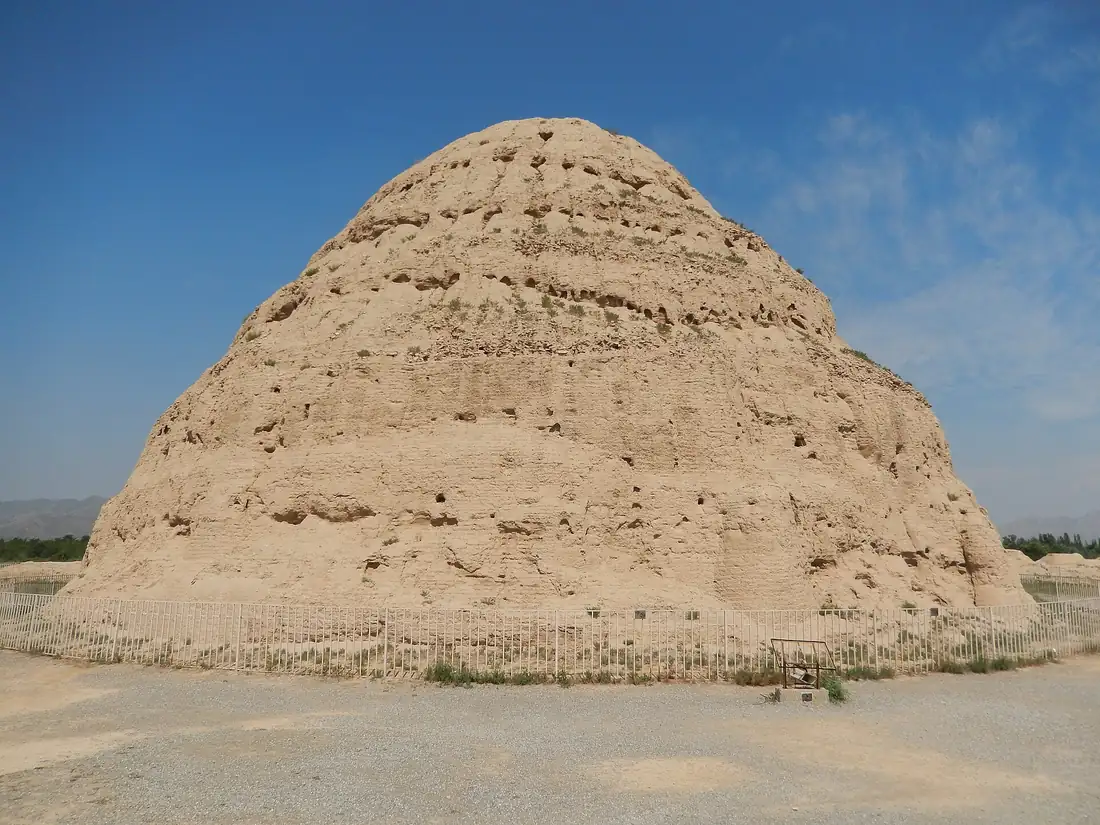
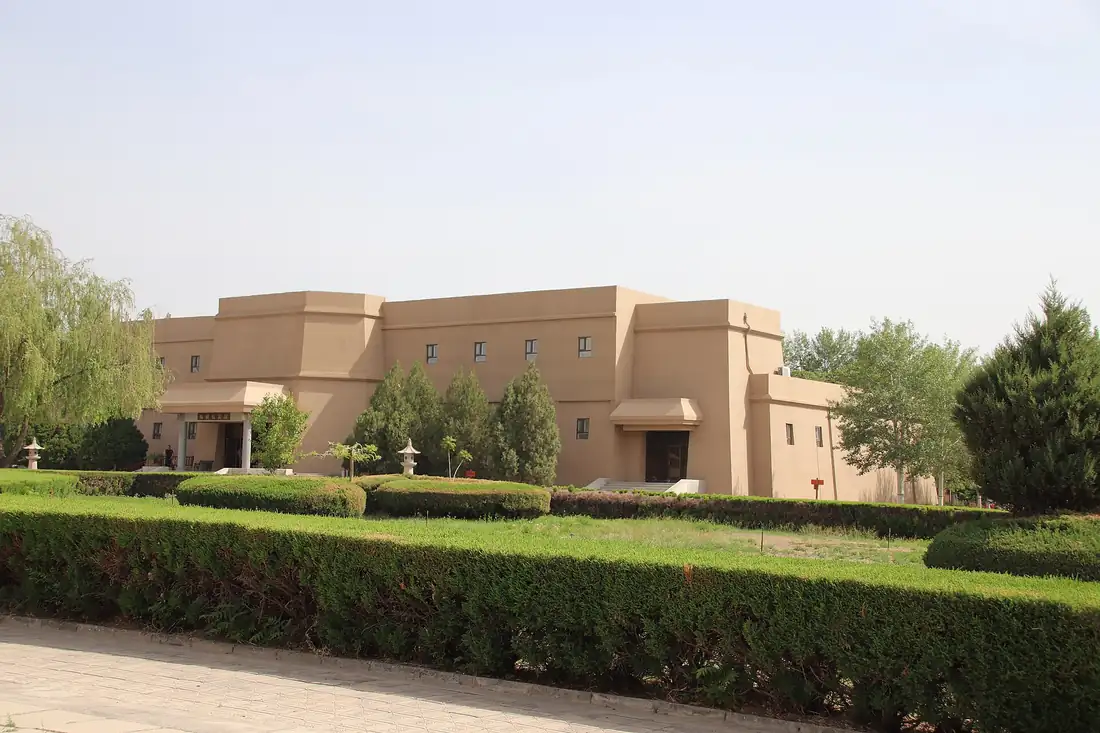
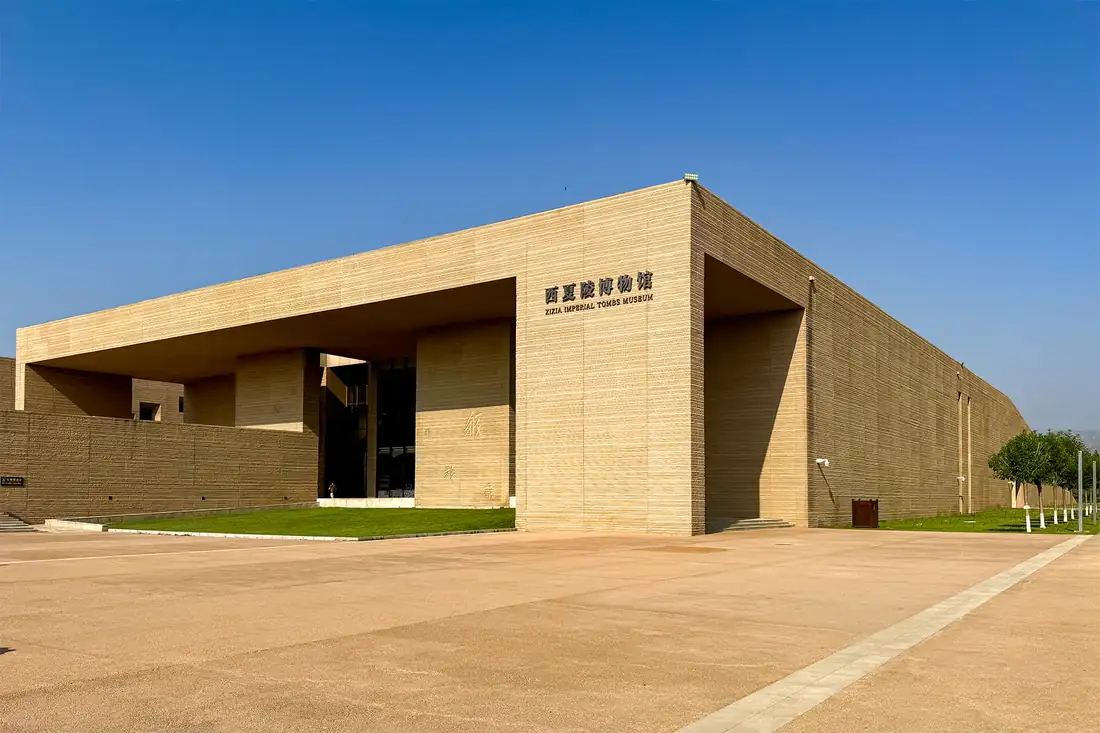
Photo credits
- “XiXia Tomb 3 F” by BabelStone, CC BY-SA 3.0. Source
- “Xixia Imperial Mausoleum On-Site Museum (41929745471)” by Gary Todd from Xinzheng, China, CC0. Source
- “20260810 Xixia Imperial Tombs Museum” by Windmemories, CC BY-SA 4.0. Source
Resized and cropped for the web.
Overview
The Xixia Imperial Tombs are a necropolis of the Xixia Dynasty, located in the Ningxia Hui Autonomous Region of north-west China, in the foothills of the Helan Mountains, and formed from the 11th to 13th centuries. Comprising nine imperial mausoleums, 271 subordinate tombs, a northern architectural complex and thirty-two flood control works, this necropolis is a unique testimony to the Xixia Dynasty and its imperial lineage, which lasted nearly 200 years and was established by the Tanguts, nomadic herdspeople who settled in a region crossed by the Silk Road, and brought together a diverse population composed, in addition to the Tanguts, of Han, Tubo, Uighur, Khitan and Jurchen peoples.
Through contact with merchants, caravans, monks and nomads, the Tanguts developed a civilisation based on the Chinese imperial model, of which Buddhism was an essential part. This is evidenced by very large, diverse architectural sites, as well as a wealth of objects excavated at the property, including fragments of stelae in Tangut script.
Sources
- Xixia Imperial Tombs, UNESCO World Heritage Centre (text CC BY-SA IGO 3.0)
Last reviewed 29 September 2026
Plan your visit
Xixia Imperial Tombs
Review the details, then compare the journeys that include this place.
Ask about Xixia Imperial TombsJourneys in Xixia Imperial Tombs
No set journey goes here yet.
Tell us your dates, who is travelling and what you want to see, and our team will plan a trip to Xixia Imperial Tombs around you.
Plan your time in Xixia Imperial Tombs.
Tell us your dates, who is travelling and what you want to see, and we will help you choose the right journey.