
Mountain · Hubei
Wudang Mountains
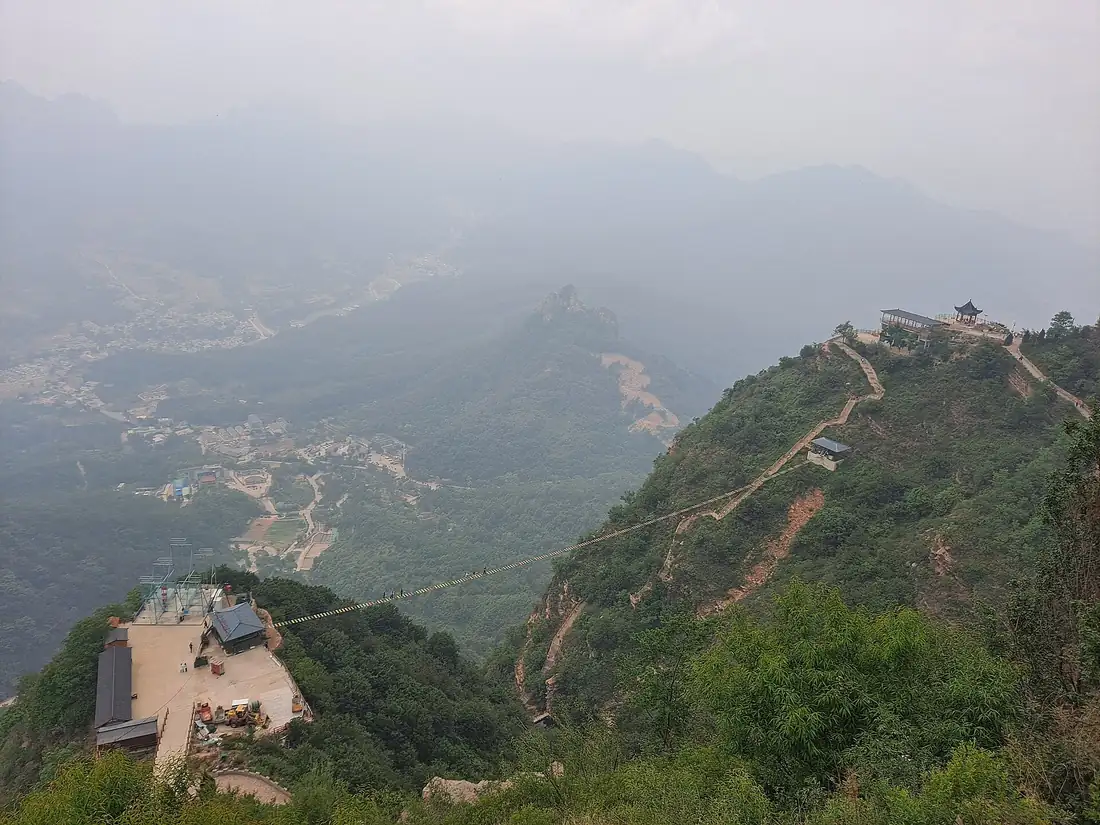
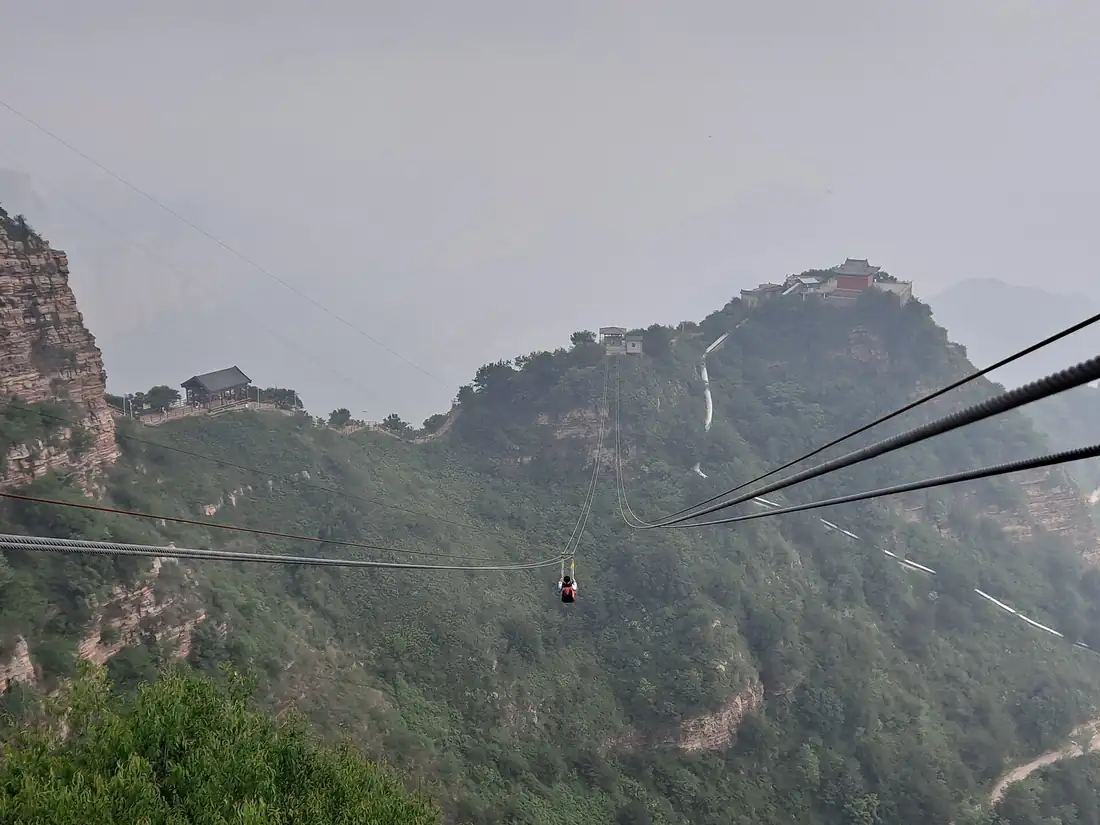
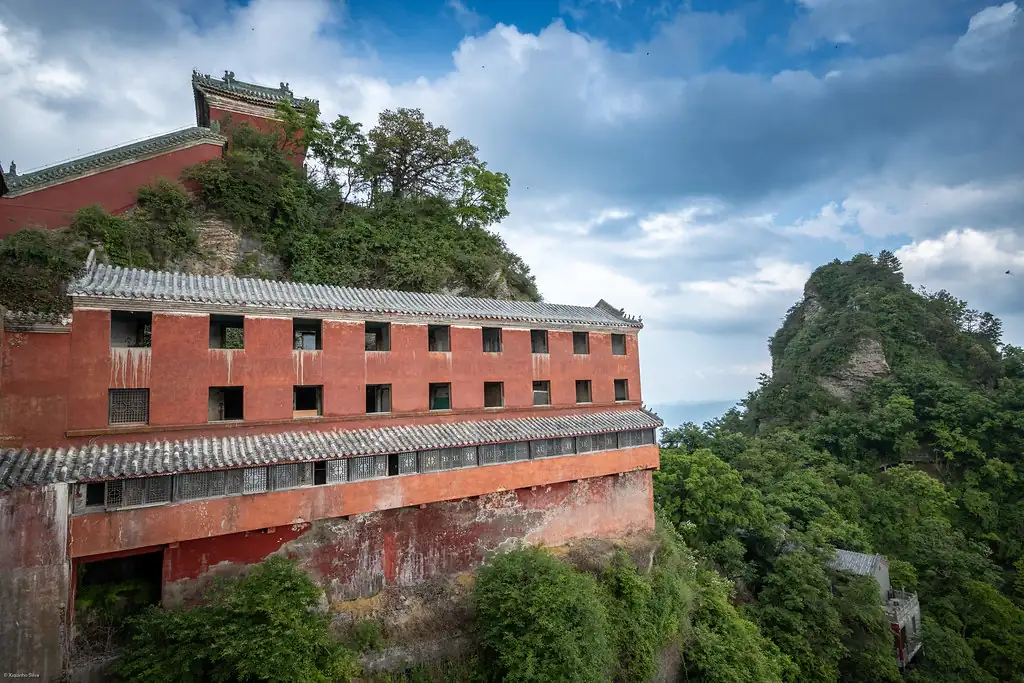
Palaces and temples among the peaks, ravines and gullies of the Wudang Mountains.
Overview
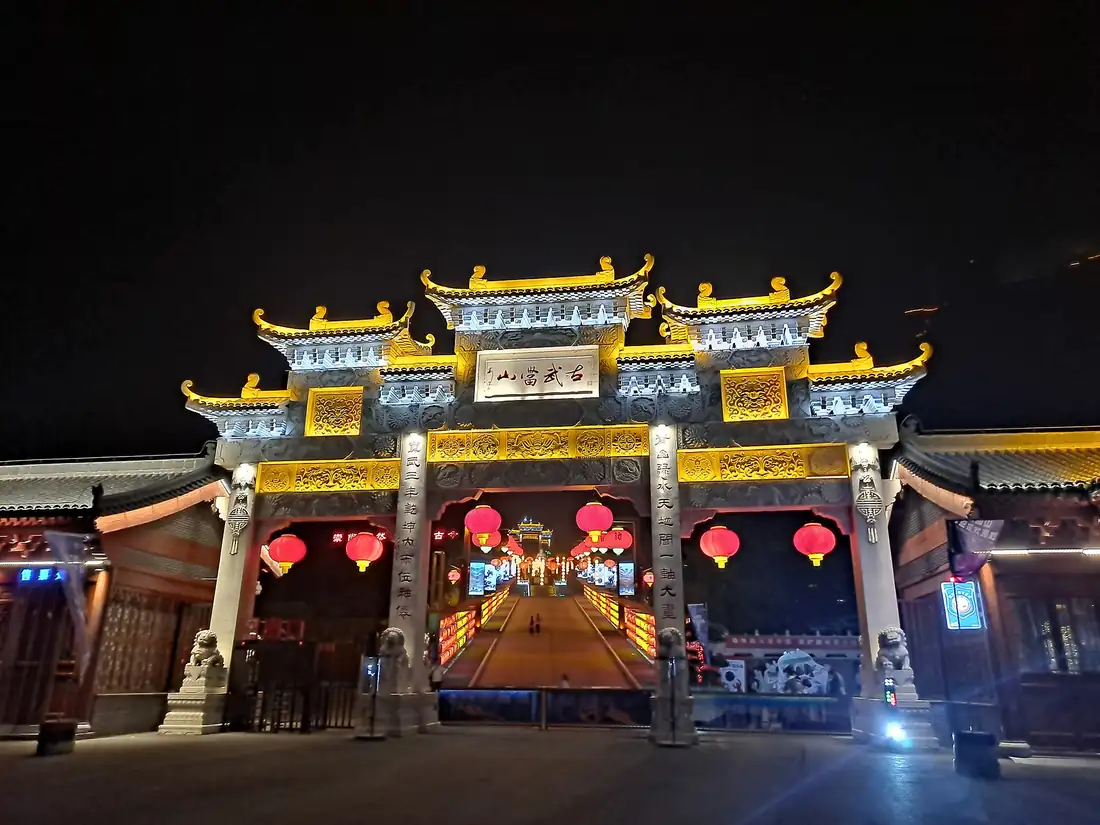
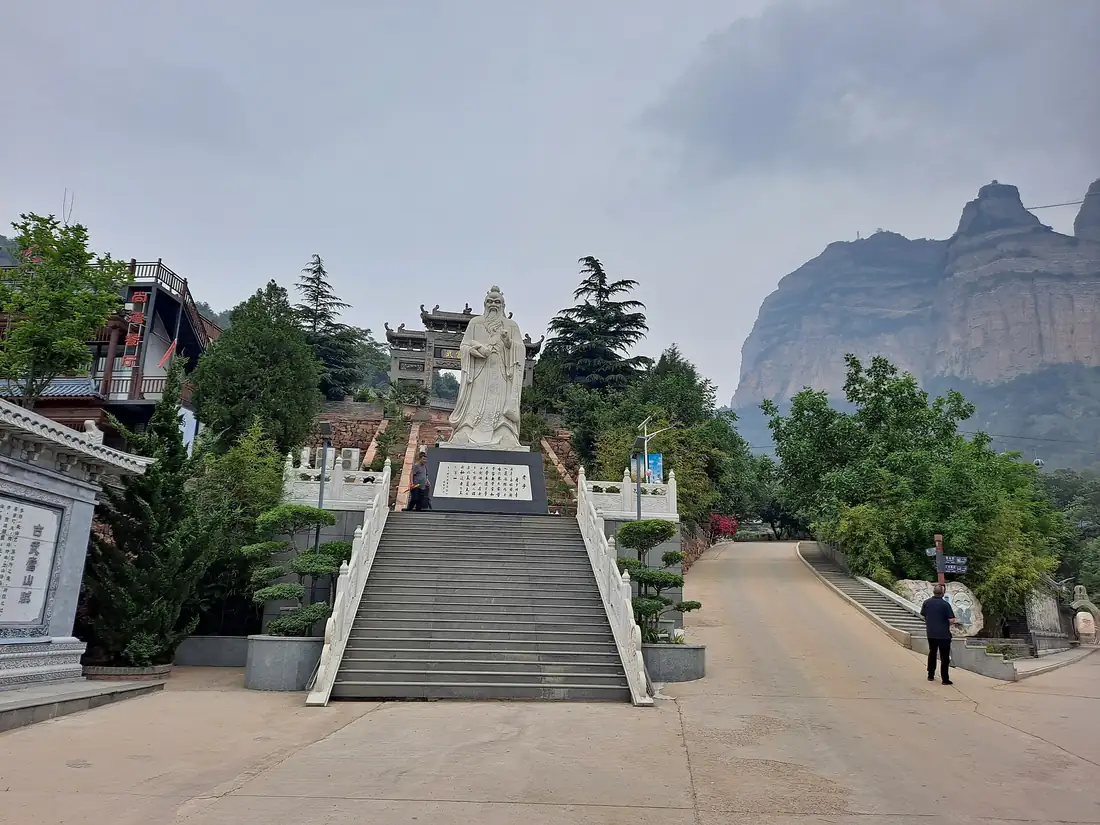
The palaces and temples of the Ancient Building Complex are located amongst the peaks, ravines and gullies of the picturesque Wudang Mountains, Hubei Province. Established as a Taoist centre from the early Tang Dynasty, some Taoist buildings could be traced back to the 7th century. However the surviving buildings exemplify the architectural and artistic achievements of China’s secular and religious buildings of the Yuan, Ming and Qing dynasties. The Ancient Building Complex reached its apogee during the Ming dynasty, with 9 palaces, 9 monasteries, 36 nunneries and 72 temples, following the major building campaign undertaken by Emperor Zhu Di to align his imperial regime with Taoism. Today, 53 ancient buildings and 9 architectural sites survive, including the Golden Shrine and the Ancient Bronze Shrine, which are prefabricated buildings in bronze made in 1307; the stone-walled Forbidden City of 1419; Purple Heaven Palace built originally in the 12th century, rebuilt in the 15th century and extended in the 19th century; the Nanyang Palace of the 12th and 13thcenturies; the Fuzhen Temple of the 15th and 17th centuries and the stone Zhishi-Xuanyue Gateway built to mark the entrance to the Wudang Mountains in 1522.
Sources
- Ancient Building Complex in the Wudang Mountains, UNESCO World Heritage Centre (text CC BY-SA IGO 3.0)
Last reviewed 29 September 2026
Plan your visit
Wudang Mountains
Review the details, then compare the journeys that include this place.
Ask about Wudang MountainsJourneys in Wudang Mountains
No set journey goes here yet.
Tell us your dates, who is travelling and what you want to see, and our team will plan a trip to Wudang Mountains around you.
Plan your time in Wudang Mountains.
Tell us your dates, who is travelling and what you want to see, and we will help you choose the right journey.